A
Evaluate Voltage & Current THD
Measure and calculate Total Harmonic Distortion (THD) at key nodes to quantify harmonic levels and identify problematic points in the network.
Loading

SRINEEVIPOWERCONTROLS
SRINEEVIPOWERCONTROLS
A Harmonic & Power Study is conducted to evaluate the power quality and electrical performance of an industrial facility. Modern plants contain numerous non-linear loads such as Variable Frequency Drives (VFDs), rectifiers, UPS systems, and DC power supplies, which introduce harmonics into the electrical network. Excessive harmonic distortion can lead to overheating, reduced equipment lifespan, nuisance tripping, increased losses, and non-compliance with IEEE/IEC standards. Harmonics are voltage or current components in an electrical power system that are integral multiples of the fundamental frequency (typically 50 or 60 Hz)
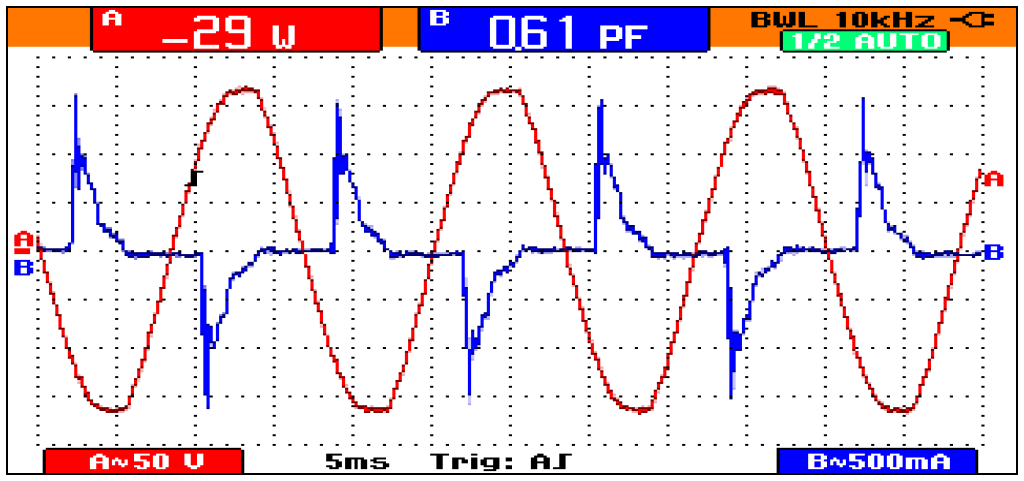
Measure and calculate Total Harmonic Distortion (THD) at key nodes to quantify harmonic levels and identify problematic points in the network.
Perform network-wide harmonic analysis to understand how distortion propagates across feeders, transformers and loads.
Spot and catalogue high-impact non-linear devices such as VFDs, UPS systems, rectifiers, welders and power converters for targeted mitigation.
Run load-flow studies to verify system capacity, voltage profiles and stability under both normal and distorted supply conditions.
Use measurement and simulation results to design passive/active or hybrid filter solutions that mitigate harmonics and ensure compliance with standards.
Deliver comprehensive reports with measurement logs, simulations, recommended solutions and compliance checks versus IEEE-519 or local power-quality standards.
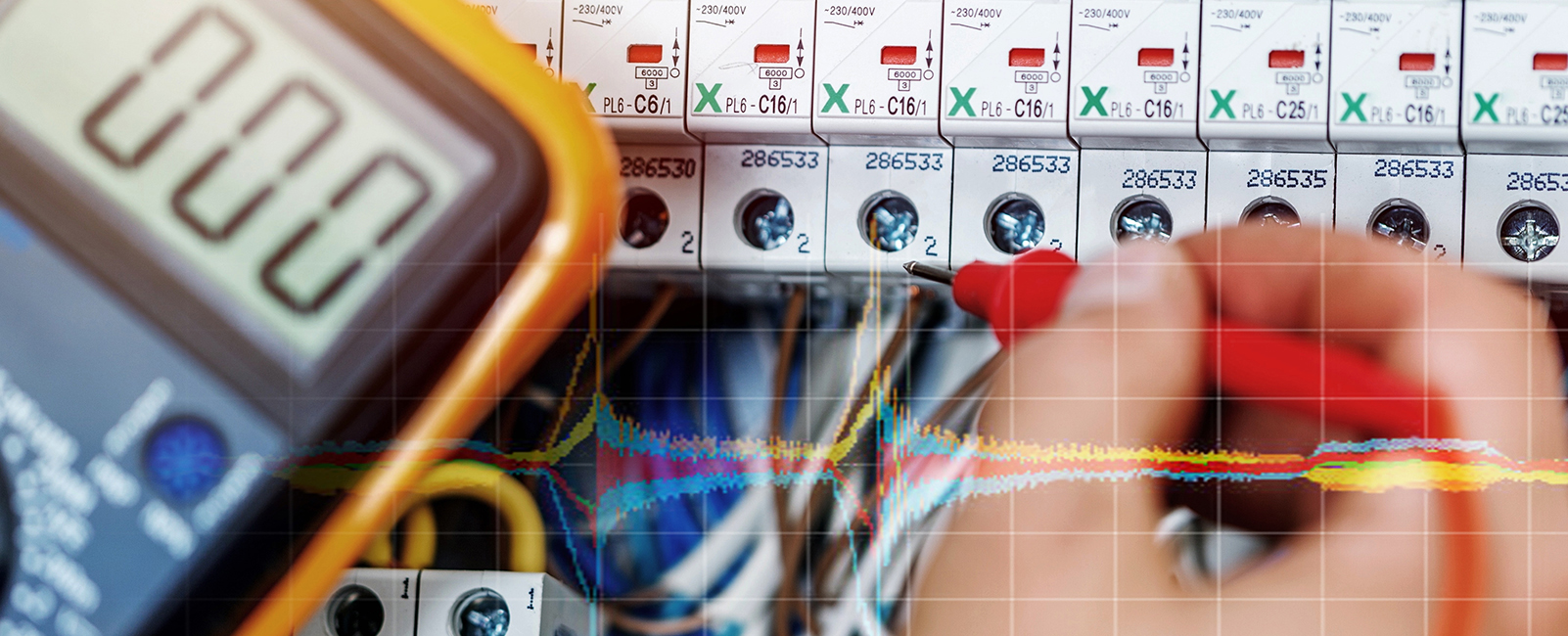
Energy audits are an important tool for energy conservation and efficiency. They help identify areas where energy is being wasted, inefficiently used, or leaking. Energy audits are part of an energy management system and can help develop solutions to conserve energy.
An Energy Audit is a systematic process used to analyze how energy is consumed within a facility and identify opportunities to reduce energy usage, improve efficiency, minimize losses, and lower operating costs. In industrial environments, energy audits contribute to improved performance, increased reliability, and compliance with sustainability and regulatory requirements.
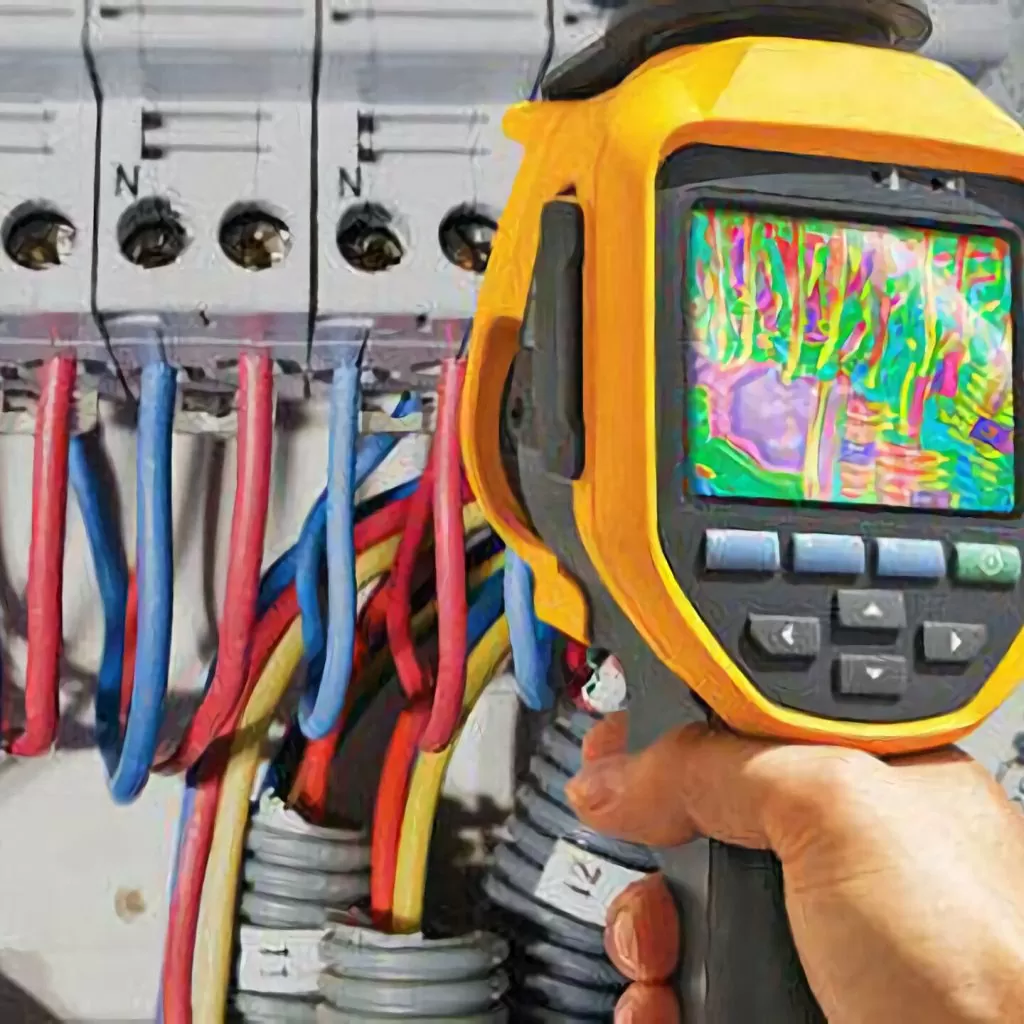
A thermography study, also known as thermal imaging or electrical thermography, is a non-invasive imaging technique that uses infrared cameras to measure the heat distribution on an object’s surface.
Thermography Audits can be used to detect potential issues in electrical systems, such as overloaded circuits, loose connections, and faulty components. These issues can be addressed before they cause damage or result in downtime.
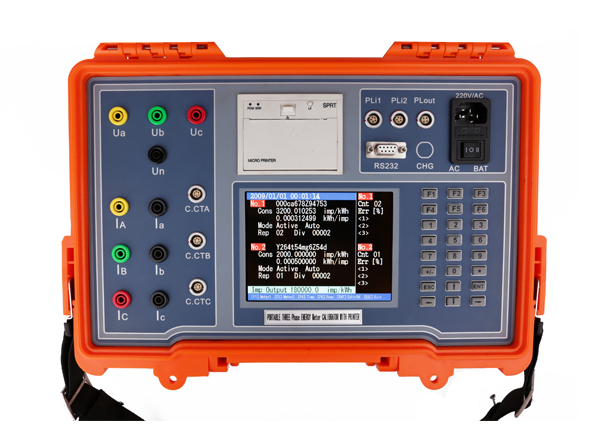
Calibration is the process and the result of correlating your measurements with the actual value. A digital panel meter enables to measurement of current, temperature, salinity, and much more. We need to ensure the readings are accurate. We will calibrate your panel meter for accuracy
Panel meter calibration is a service that adjusts a panel meter to ensure that its measurements are accurate and reliable.
Calibration ensures that the measurements provided by the panel meter are accurate and reflect the true value being measured. It also reduces the likelihood of errors, inconsistencies, or biases in measurements.
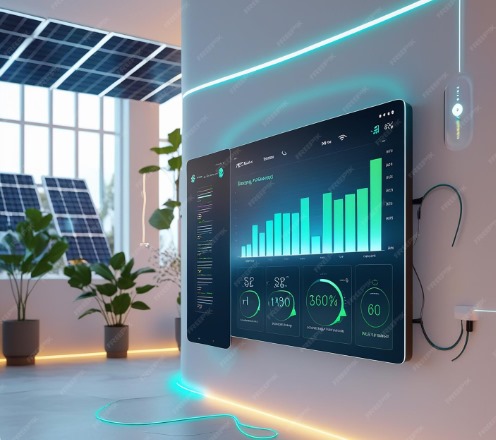
An energy management system (EMS) is a system of computer-aided tools used by operators of electric utility grids to monitor, control, and optimize the performance of the generation or Transmission system. Also, it can be used in small-scale systems like microgrids.
Energy Management Systems (EMS) enable real-time monitoring, control, and optimization of the electrical grid. They enhance efficiency, reduce operational costs, and seamlessly integrate renewable energy sources, ensuring a resilient and sustainable energy infrastructure. Our new report examines how the latest trends and innovative solutions impact electric distribution utilities. Explore strategies to tackle challenges head-on and succeed.